
The Best TV Shows on London Weekend Television
Every London Weekend Television Show Ranked From Best To Worst
Stay up-to-date with over 20 of London Weekend Television’s elite series, with our list refreshed for October 2026. With its programming history stretching from 1960 to 1994, London Weekend Television offers an impressive lineup of over 20 shows. Among London Weekend Television’s finest offerings are The Royal Variety Performance and The Rag Trade, which debuted in 1960 and 1961, respectively.
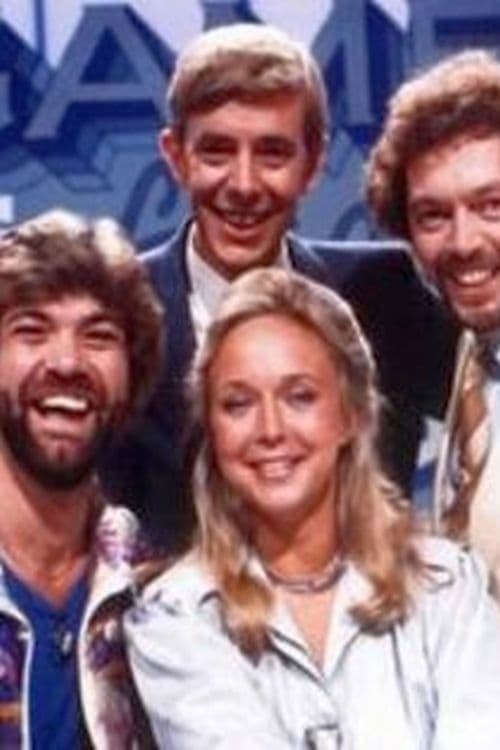 Game for a Laugh (1981)10.0
Game for a Laugh is a British light entertainment programme which ran for 56 editions and four specials between 26 September 1981 and 23 November 1985, made by London Weekend Television for the ITV network.
 Love and Marriage (1984)9.0
An anthology of six standalone plays presented relationships either beginning or ending in love – but the outcome was not always marriage (or happiness). A second series of five episodes aired in 1986.
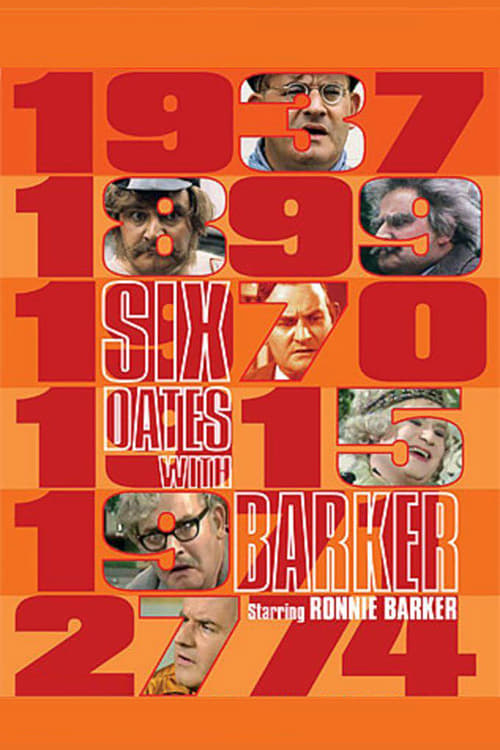 Six Dates with Barker (1971)7.4
Six Dates with Barker is a 1971 ITV series of six one-off, half-hour situation comedies showcasing the talents of Ronnie Barker. Three of the stories were further developed: The Phantom Raspberry Blower of Old London Town was made into a serial as part of the 1976 sketch comedy programme The Two Ronnies; The Odd Job Man was adapted as a feature film, titled The Odd Job; and The Removals Person became Barker's final programme Clarence.
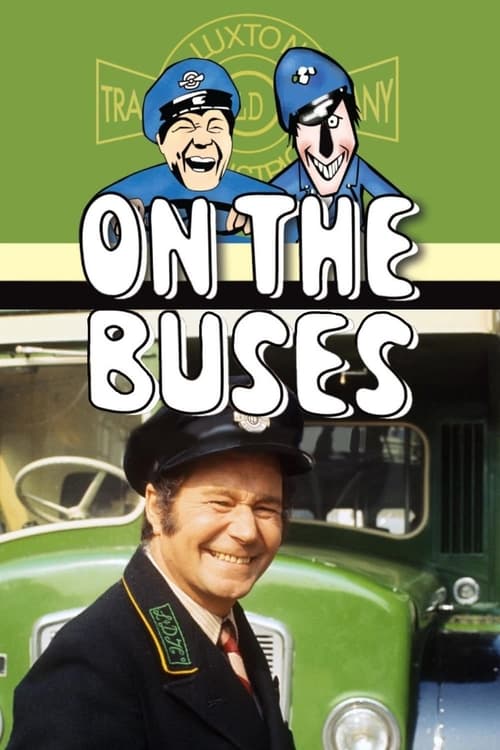 On the Buses (1969)7.3
On the Buses is a British comedy series created by Ronald Wolfe and Ronald Chesney, broadcast in the United Kingdom from 1969 to 1973. The writers' previous successes with The Rag Trade and Meet the Wife were for the BBC, but the corporation rejected On the Buses, not seeing much comedy potential in a bus depot as a setting. The comedy partnership turned to a friend, Frank Muir, Head of Entertainment at London Weekend Television, who loved the idea; the show was accepted and despite a poor critical reception became a hit with viewers.
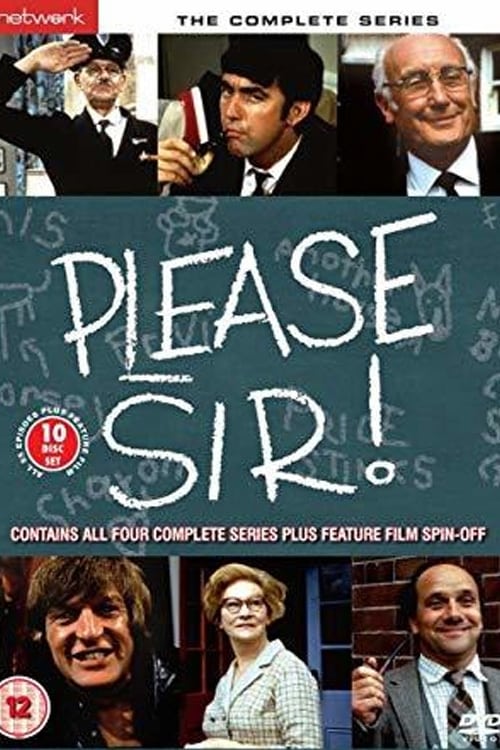 Please Sir! (1968)7.0
A hapless but caring teacher tries to control his class of unruly kids. The teacher sees much good and potential in his pupils, much to the dismay of his fellow teachers who have lost hope in these kids.
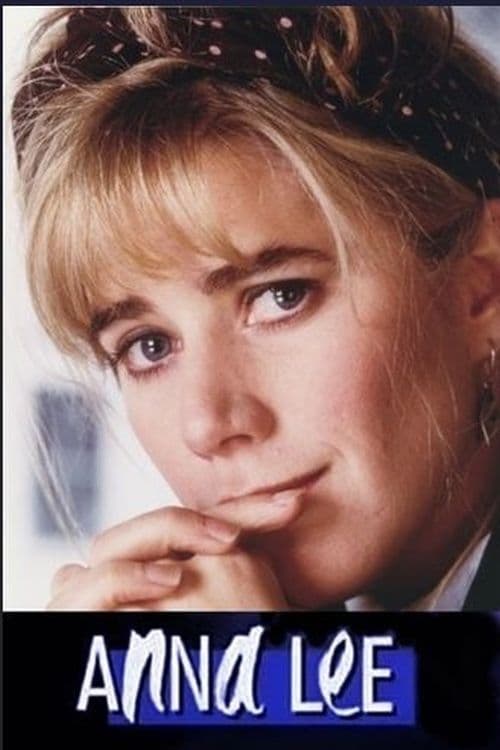 Anna Lee (1994)6.9
Anna Lee is a British television series produced by Brian Eastman and Carnival Films for London Weekend Television. Following a 1993 pilot, five two-hour programmes were produced in 1994, loosely based on the detective novels of Liza Cody. Private investigator Anna Lee works for the Brierly Security agency after leaving the police force. Each episode features a different mystery.
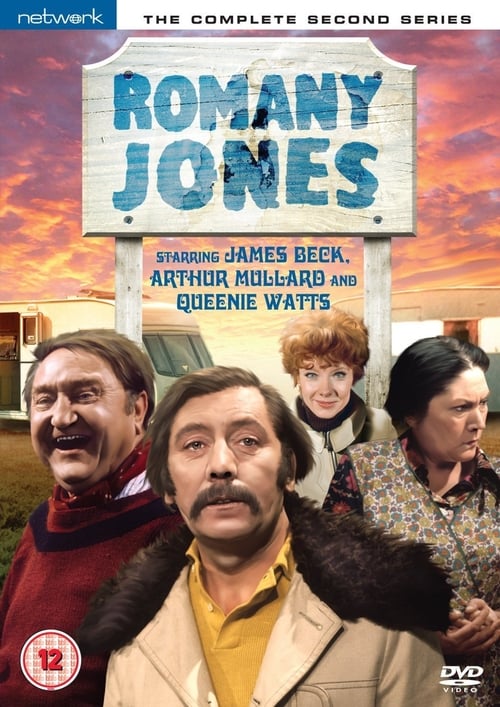 Romany Jones (1972)6.8
Romany Jones is a British sitcom created and written by Ronald Chesney and Ronald Wolfe for LWT. Broadcast between 1973 and 1975, the programme follows the comic misadventures of two layabout families living on a caravan site. Originally designed as a starring vehicle for James Beck (Dad's Army), the 1972 pilot and 1973 first series centred on Bert and Betty Jones (Jo Rowbottom), newlywed after seven years, who spend their wedding night in their rickety caravan, natural to Bert but distinctly alien to Betty, born and bred in Streatham. Most of the humour focused on life in theirs and a neighbouring caravan housing Lily and Wally Briggs (Queenie Watts and Arthur Mullard, although Arthur English was cast in the pilot). Following Beck's death after completion on the second series, Bert and Betty were written out, and replaced with a city gentleman and his debutante wife, both of whom remain blissfully oblivious to the Briggs' antics.
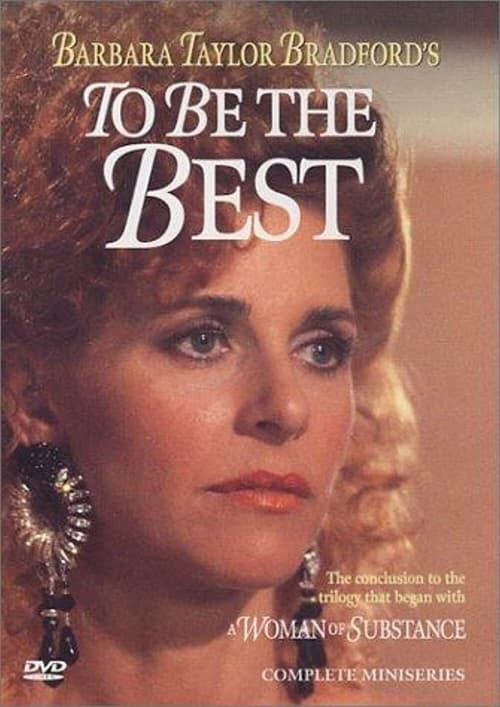 To Be the Best (1992)6.3
To Be the Best is a two-part 1991 British television serial, based on Barbara Taylor Bradford's 1988 novel of the same name, a follow-up to A Woman of Substance (1984) and Hold the Dream (1987). It stars Lindsay Wagner as Paula O'Neill (née Harte), taking over the role from Deborah Kerr. Paula O'Neill feuds with her cousins as she fights to save her grandmother's business, and struggles to salvage her marriage.
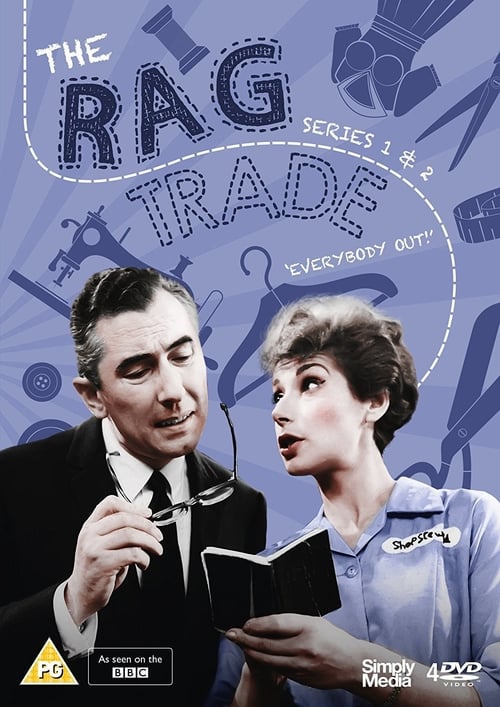 The Rag Trade (1961)6.2
The Rag Trade is a British television sitcom broadcast by the BBC between 1961 and 1963 and by LWT between 1977 and 1978. The scripts were by Ronald Wolfe and Ronald Chesney, who later wrote Wild, Wild Women, Meet the Wife and On the Buses. Wild, Wild Women was a period variation of The Rag Trade. The action centred on a small clothing workshop, Fenner Fashions in London. Although run by Harold Fenner and Reg the foreman, the female workers are led by militant shop steward Paddy Fleming, ever ready to strike, with the catchphrase "Everybody out!" Other cast members included Sheila Hancock, Esma Reese Cannon, Wanda Ventham and Barbara Windsor. The Rag Trade was revived by ITV company LWT in 1977, with Jones and Karlin reprising their roles. The 1977 version ran for two series, most of the scripts being based on the BBC episodes from the 1960s, and featured Anna Karen and future EastEnders star Gillian Taylforth as factory workers. The theme tune for the LWT series was written and performed by Lynsey De Paul.
- The Fenn Street Gang (1971)6.1
The Fenn Street Gang is a British television sitcom which ran for three seasons between 1971 and 1973. The series was created by John Esmonde and Bob Larbey, it was spun-off from their Please Sir! series.
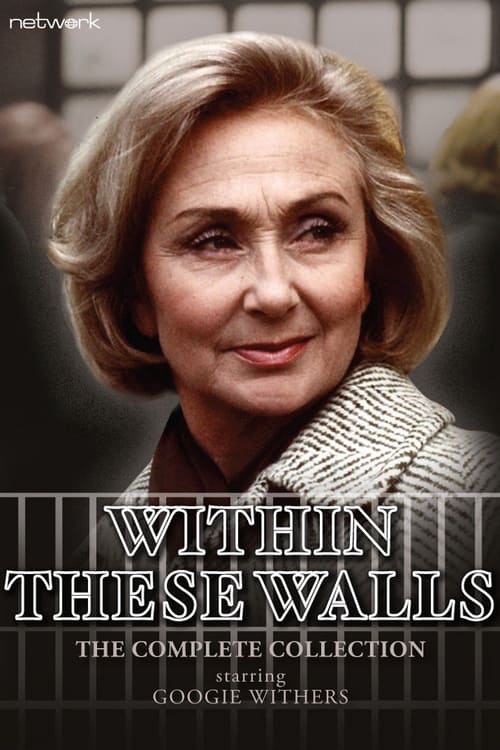 Within These Walls (1974)6.0
Within These Walls is a British television drama programme created and written by David Butler. Produced by London Weekend Television for ITV, broadcast between 1974 and 1978, the series portrays life in HMP Stone Park, a fictional women's prison. Unlike the later women-in-prison series Prisoner and Bad Girls, Within These Walls tended to centre its storylines around the staff rather than the inmates. Plots typically revolve around well-groomed, genteel governor Faye Boswell's attempts to liberalise the regime while managing her private life.
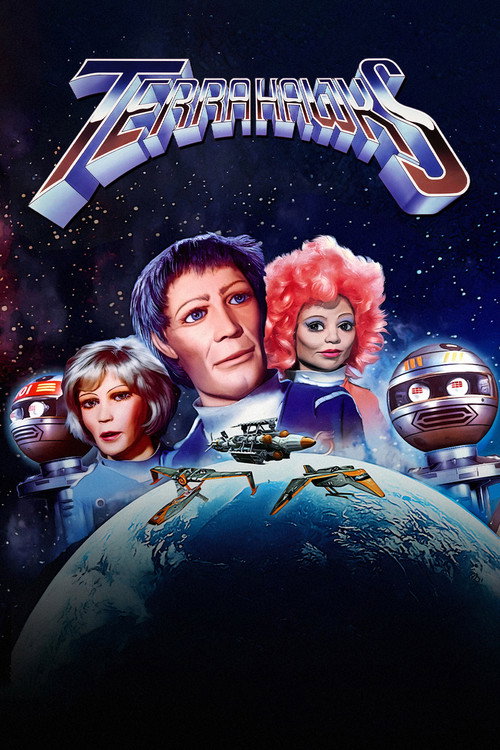 Terrahawks (1983)5.8
Gerry Anderson & Christopher Burr's Terrahawks, simply referred to as Terrahawks, was a 1980s British science fiction television series produced by Anderson Burr Pictures and created by the production team of Gerry Anderson and Christopher Burr. The show was Anderson's first in over a decade to utilize puppets for its characters, and also his last. Anderson's previous puppet-laden TV series included Thunderbirds and Captain Scarlet and the Mysterons. Set in the year 2020, the series followed the adventures of the Terrahawks, a taskforce responsible for protecting Earth from invasion by a group of extraterrestrial androids and aliens led by Zelda. Like Anderson's previous puppet series, futuristic vehicles and technology featured prominently in each episode.
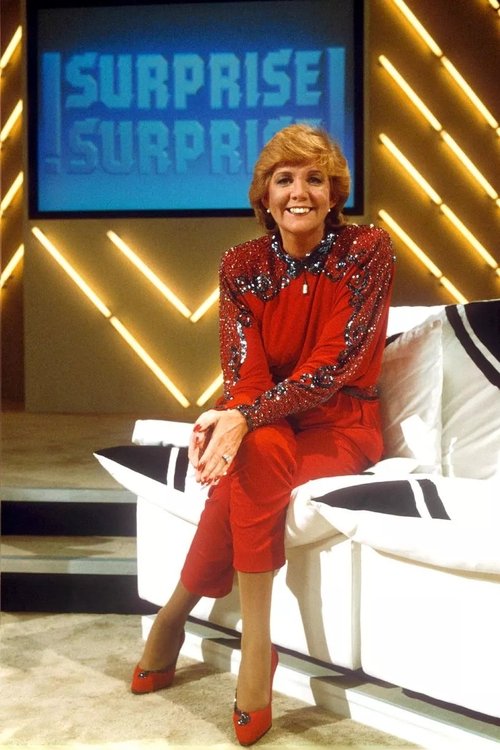 Surprise, Surprise (1984)5.7
Surprise, Surprise is a British television programme originally hosted by Cilla Black and produced by London Weekend Television for ITV. It ran for 14 series from 6 May 1984 to 5 September 1997, after which four annual specials were produced between 1998 to 2001. In 2012, the show returned after a 11-year hiatus. The revived version is produced by ITV Studios and presented by Holly Willoughby. The show is currently in its second series.
- Holding the Fort (1980)5.5
Holding the Fort is an ITV situation comedy starring Peter Davison, Patricia Hodge and Matthew Kelly. It was an early product of the writing team of Laurence Marks and Maurice Gran. Three series were recorded, a total of twenty episodes, first aired between 1980 and 1982, concurrent with Davison also starring in Doctor Who. It was made for the ITV network by LWT The situation was a role-reversal comedy, in which the premise was that Russell Milburn becomes a "house-husband" to raise his baby daughter while his wife, Penny a captain in the Women's Royal Army Corps, goes out to work. Russell's friend Fitzroy, or "Fitz", adds to the comic tension by encouraging Russell's enthusiasm for football, pacifism and beer.
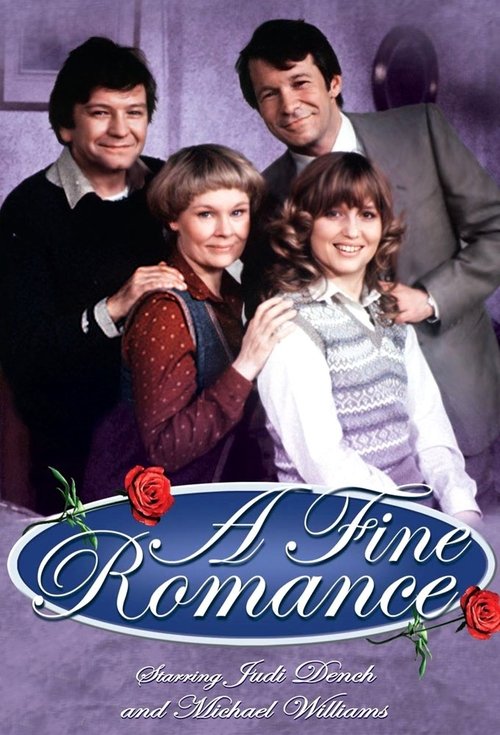 A Fine Romance (1981)5.4
A Fine Romance is a British situation comedy starring husband-and-wife team Judi Dench and Michael Williams. Dench's sister was played by Susan Penhaligon. It was produced by London Weekend Television and written by Bob Larbey. It was first broadcast on 8 November 1981. It lasted for 26 episodes over four series; the final episode being broadcast on 17 February 1984. The series takes its name from a song in the 1936 film Swing Time, starring Fred Astaire and Ginger Rogers, which Dench recorded as the theme music. The series was nominated for nine BAFTA British Academy Television Awards and a winner of two, both for Dench's performance in 1982 and 1985.
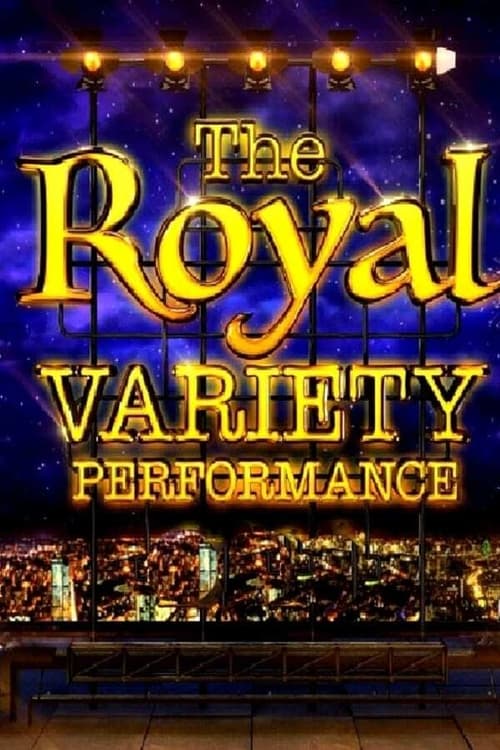 The Royal Variety Performance (1960)N/A
The Royal Variety Performance is a televised variety show held annually in the United Kingdom to raise money for the Royal Variety. It is attended by senior members of the British Royal Family. The evening's performance is presented as a live variety show, usually from a theatre in London and consists of family entertainment that includes comedy, music, dance, magic and other speciality acts.
- For Amusement Only (1968)N/A
Humorous situations on location with little or no dialogue.
- Big Brother (1970)N/A
A series of plays which examine if 1970s society is heading towards the dystopian world predicted in the book '1984'.
- Seven Faces of Woman (1974)N/A
Series of plays examining various aspects of contemporary woman at different ages. The theme song, sung by Charles Aznavour, was a big hit in the summer of 1974.
- Stolen (1990)N/A
Salim and Marianne love each other and their children, but there are different ways of loving. Marianne knows an affair is wrong - but suspects she can get away with it.